




NAIAEANIBL
New Artificial Intelligence Algorithm for Non-Invasive Automatic Evaluation of Blastocyst
Through deep learning techniques and multimodal fusion strategies, the project seeks to optimize the prediction of treatment response, disease progression, and clinical prognosis, promoting more precise and personalized medicine.
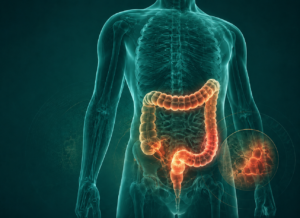
The FUSION project aims to develop advanced Artificial Intelligence models capable of integrating information from endoscopic and histological images to improve clinical assessment in patients with Inflammatory Bowel Disease, particularly Ulcerative Colitis and Crohn’s Disease.
To address this challenge, FUSION proposes the development of a multimodal Artificial Intelligence system capable of combining information obtained from endoscopies and digital histological biopsies through advanced data integration techniques. Thanks to this approach, the system will be able to combine different sources of clinical information to achieve a more accurate evaluation of disease activity, improve the prediction of therapeutic response, and estimate patient prognosis more reliably.
The project methodology combines the analysis of digital biopsies and endoscopic images using AI systems trained to detect patterns associated with inflammatory activity and disease progression. Subsequently, both types of information are integrated through late fusion strategies, enabling the development of more robust and accurate predictive models to support clinical decision-making.
The project aims to improve diagnostic accuracy and reduce variability among specialists, facilitating personalized treatments and optimizing patient follow-up. In addition, FUSION will promote new applications of Artificial Intelligence in gastroenterology and digital medicine, contributing to the development of innovative clinical tools based on multimodal data.
The research is being carried out through an international collaboration between University College Cork, Universitat Politècnica de València (UPV), London South Bank University, and ARTIKODE Intelligence S.L., integrating expertise in gastroenterology, digital histology, computer vision, and Artificial Intelligence applied to medicine. In this context, the UPV, through the Computer Vision and Behaviour Analysis Lab (CVBLab) research group, participates in the development of advanced histological analysis models and multimodal fusion strategies aimed at clinical prediction and supporting medical decision-making.
Funded by

Partners