Development of predictive models a partir de imagen y vídeo #computerVisiona partir de señal y series temporales #timeSeriesForecastinga partir de texto #naturalLanguageProcessingbasados en la interacción entorno-agente #reinforcementLearning
CVBLab
Research areas
Inteligencia Artificial
Creation of automatic models using machine learning techniques. Manual feature extraction through descriptors and the use of classifiers to create predictive models. Approaches based on deep neural networks are also explored.
Procesado de imagen
Techniques for image enhancement, 2D-3D visualization, object segmentation, registration, texture analysis, and classification are applied to different image modalities: 2D/3D images, depth images, or hyperspectral images.
Procesado de señal
Characteristic patterns are extracted from any type of one-dimensional signal, and automatic prediction models are trained and/or comprehensive statistical analyses are performed. Additionally, physiological signals are processed to respond to human behavior.
Procesado de video
Object detection and tracking algorithms, facial recognition, and posture analysis have been applied in video surveillance, railway transportation security, behavior pattern recognition, augmented reality, and restoration of old films.
Curated
CVBLab Projects
Predictive models From image and video #computerVisionfrom signal and time series #timeSeriesForecastingfrom text #naturalLanguageProcessingBased on the interaction environment-agent #reinforcementLearning
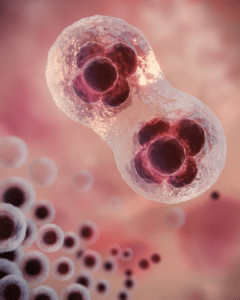
New Artificial Intelligence Algorithm for Non-Invasive Automatic Evaluation of Blastocyst
Through deep learning techniques and multimodal fusion strategies, the project seeks to optimize the prediction of treatment response, disease progression, and clinical prognosis, promoting more precise and personalized medicine.
The FUSION project aims to develop advanced Artificial Intelligence models capable of integrating information from endoscopic and histological images to improve clinical assessment in patients with Inflammatory Bowel Disease, particularly Ulcerative Colitis and Crohn’s Disease.
To address this challenge, FUSION proposes the development of a multimodal Artificial Intelligence system capable of combining information obtained from endoscopies and digital histological biopsies through advanced data integration techniques. Thanks to this approach, the system will be able to combine different sources of clinical information to achieve a more accurate evaluation of disease activity, improve the prediction of therapeutic response, and estimate patient prognosis more reliably.
The project methodology combines the analysis of digital biopsies and endoscopic images using AI systems trained to detect patterns associated with inflammatory activity and disease progression. Subsequently, both types of information are integrated through late fusion strategies, enabling the development of more robust and accurate predictive models to support clinical decision-making.
The project aims to improve diagnostic accuracy and reduce variability among specialists, facilitating personalized treatments and optimizing patient follow-up. In addition, FUSION will promote new applications of Artificial Intelligence in gastroenterology and digital medicine, contributing to the development of innovative clinical tools based on multimodal data.
The research is being carried out through an international collaboration between University College Cork, Universitat Politècnica de València (UPV), London South Bank University, and ARTIKODE Intelligence S.L., integrating expertise in gastroenterology, digital histology, computer vision, and Artificial Intelligence applied to medicine. In this context, the UPV, through the Computer Vision and Behaviour Analysis Lab (CVBLab) research group, participates in the development of advanced histological analysis models and multimodal fusion strategies aimed at clinical prediction and supporting medical decision-making.
Classification of polymers using artificial intelligence and efficient imaging
CLAIRE project arises from the need to improve the classification processes of recycled plastics, one of the main limitations to achieving more efficient, sustainable, and higher-quality recycling
The CLAIRE project arises from the need to improve the classification processes of recycled plastics, one of the main limitations to achieving more efficient, sustainable, and higher-quality recycling. The presence of impurities and the difficulty in differentiating certain polymers reduce the value of recycled material and generate significant economic and environmental losses in treatment plants.
To address this issue, the project proposes the development of Artificial Intelligence models capable of analyzing terahertz hyperspectral images to classify polymers and detect impurities under real industrial conditions. The methodology includes the preparation of representative samples, the acquisition of hyperspectral images, advanced data preprocessing to select relevant bands, and the training of AI algorithms aimed at estimating the purity of recycled material.
CLAIRE aims to contribute significantly to improving efficiency in recycling processes, making them more sustainable, efficient, and better adapted to the current needs of the circular economy.
Likewise, the project seeks to increase the quality of recycled material, reduce the presence of impurities, and promote more sustainable and environmentally efficient circular economy models.
CLAIRE is being developed through a collaboration between the Universitat Politècnica de València (UPV) and the Universidad Carlos III de Madrid (UC3M), with the participation of the Computer Vision and Behaviour Analysis Lab (CVBLAB), a multidisciplinary team with extensive experience in competitive projects and a strong background in Artificial Intelligence, optical sensors, and hyperspectral imaging.
The project builds on the consortium’s previous experience in initiatives related to AI applied to material analysis, computer vision, and advanced image acquisition and processing technologies.
Optimization of personalized diagnosis and prognosis in patients with melanocytic tumors of uncertain malignant potential through the artificial intelligence validation of algorithms based on epigenetic information
IMAGEN was created with the aim of advancing toward more precise and personalized medicine, capable of improving the classification and prognosis of this type of tumor through new tools based on Artificial Intelligence and epigenetic
Melanocytic tumors of uncertain malignant potential currently represent one of the main diagnostic challenges in dermatopathology due to the difficulty in predicting their clinical behavior and metastatic risk. The absence of objective and reproducible tools leads to high diagnostic variability, intensive clinical follow-up, and the performance of invasive procedures that, in many cases, may be unnecessary.
In this context, the project proposes the development and validation of Artificial Intelligence algorithms capable of analyzing epigenetic patterns obtained from DNA methylation data.
Through RRBS sequencing techniques, Deep Learning models, and advanced bioinformatics analysis methodologies, IMAGEN aims to identify molecular signatures associated with the biological behavior of ambiguous spitzoid tumors.
In addition, the project plans to externally validate these models using clinically accessible and lower-cost techniques, such as pyrosequencing, thereby facilitating their future integration into routine clinical practice.
IMAGEN seeks to contribute to a significant reduction in diagnostic subjectivity and interobserver variability, enabling optimized clinical follow-up and the adaptation of therapeutic decisions to the individual risk profile of each patient.
Likewise, the project aims to reduce the number of invasive tests and unnecessary procedures, improve patients’ quality of life, and decrease the economic impact associated with the diagnosis and monitoring of these tumors.
The combination of Artificial Intelligence and epigenetic biomarkers could also open new pathways for the development of prognostic tools applicable to other oncological diseases.
IMAGEN is being developed through a collaboration between the Universitat Politècnica de València (UPV) and INCLIVA, with the participation of EPIDISEASE SL as a collaborating company specialized in epigenetic analysis and RRBS data processing.
The project builds on the consortium’s previous experience in initiatives related to Artificial Intelligence applied to cancer, bioinformatics, and digital histopathological analysis.
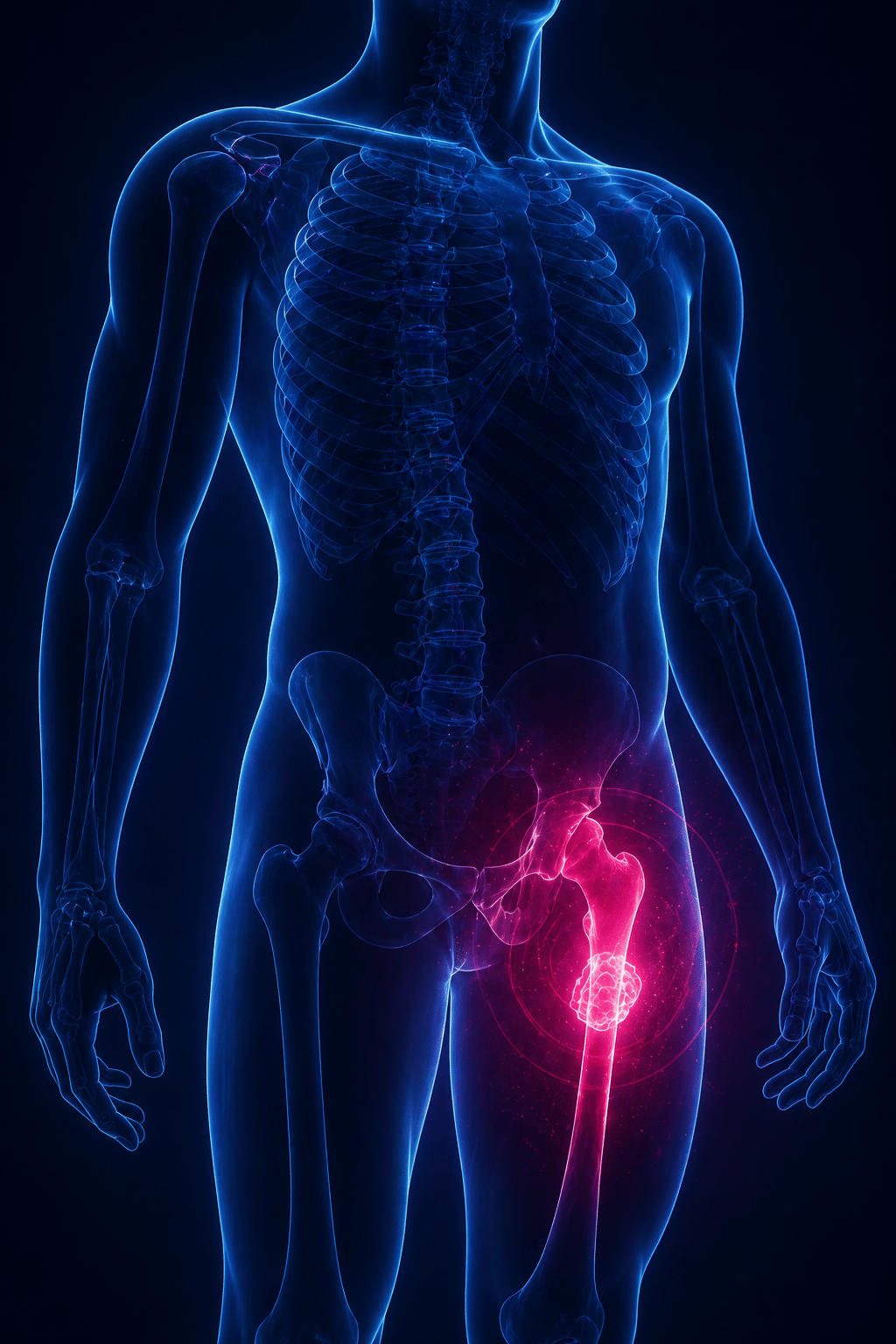
Differential Diagnosis of Ewing Sarcoma and Other Bone and Soft Tissue Tumors Using Artificial Intelligence
DEISA is an initiative aimed at improving the diagnosis of bone and soft tissue tumors through the use of artificial intelligence applied to histopathological imaging.
In particular, the project focuses on Ewing sarcoma, a highly aggressive tumor that mainly affects young patients and whose diagnosis is especially challenging due to its similarity to other tumors with comparable morphological features.
To address this challenge, DEISA proposes the development of an advanced decision-support system based on computer vision and deep learning techniques. Through the automated analysis of digitized histological images, the system aims to assist pathologists in accurately identifying tumor patterns, reducing diagnostic variability and supporting clinical decision-making.
The technological core of the project lies in the design of artificial intelligence models capable of tackling two key challenges: distinguishing Ewing sarcoma from other small round cell tumors, and identifying less frequent variants known as Ewing-like. To this end, advanced approaches such as multiple instance learning and foundation models adapted to histopathological analysis are explored, enabling efficient processing of high-resolution, large-scale images.
In this context, the role of the Universitat Politècnica de València (UPV), through the CVBLab research group, is essential. The team contributes its extensive expertise in computer vision and deep learning, leading the development of predictive models and their optimization for real-world environments. This includes the design of architectures capable of extracting meaningful information from gigapixel images, as well as the incorporation of interpretability techniques to ensure that model decisions can be understood and validated in clinical settings.
The developed solutions will be validated on a large dataset of real cases with genetically confirmed diagnoses, ensuring the reliability of the system and its potential for clinical application. Furthermore, the integration of these models into dedicated visualization tools will enable their direct use by specialists, facilitating adoption in hospital environments.
The expected impact of DEISA is significant both at the clinical and technological levels. On the one hand, it aims to improve diagnostic accuracy and speed, reducing the need for additional tests and optimizing available resources. On the other hand, it promotes the adoption of AI-based solutions in healthcare, contributing to more efficient, accessible, and data-driven medicine.
The project consortium brings together complementary expertise ranging from clinical knowledge to technological development. The Department of Pathology at the Universitat de València (UV) leads the medical validation and provides access to high-quality clinical data, while ARTIKODE Intelligence is responsible for integrating the models into image analysis platforms. Within this ecosystem, UPV, through the CVBLab research group, plays a key role as a driver of innovation in artificial intelligence, developing solutions that transform complex data into practical tools for clinical use.
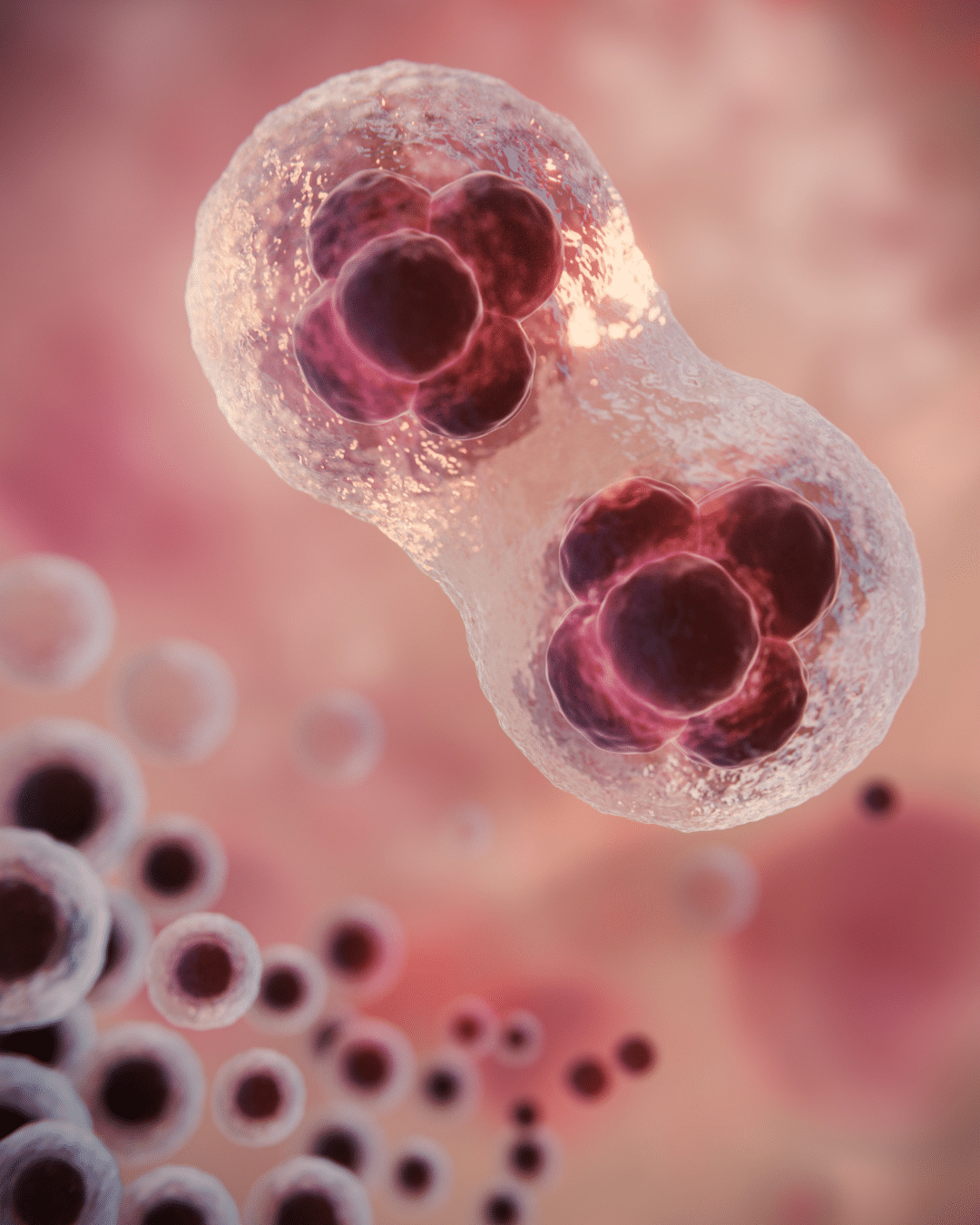
New Artificial Intelligence Algorithm for Non-Invasive Automatic Evaluation of Blastocyst
Improving embryo evaluation is essential to increasing the success of assisted reproduction treatments, and NAIAEANIBL focuses on doing so through safe, non-invasive approaches that reduce risks and improve outcomes for patients.
Embryo evaluation is one of the most critical aspects of assisted reproduction treatments, as it largely determines the success of the process. Currently, techniques such as Preimplantation Genetic Testing make it possible to analyze the chromosomal status of embryos, but they require invasive, costly procedures with important limitations. In this context, the NAIAEANIBL project aims to move towards a new generation of diagnostic tools that are more precise, accessible, and respectful of the embryo.
The project proposes the development of an Artificial Intelligence–based system capable of evaluating blastocysts in a completely non-invasive manner. To achieve this, multiple sources of information—traditionally analyzed separately—will be integrated. On the one hand, images and videos of embryo development obtained through time-lapse technologies will be used to study both morphology and temporal evolution. On the other hand, molecular data extracted from the culture medium, such as cell-free DNA and proteomic profiles, will provide key insights into the genetic and functional state of the embryo.
Based on this combination of data, advanced deep learning models will be developed to identify complex patterns and relationships that are not detectable using conventional methods. This approach will not only enable the determination of embryo ploidy without the need for biopsy, but also improve the prediction of implantation potential and treatment success, providing specialists with an objective and highly valuable decision-support tool.
One of the most innovative aspects of the project lies in the fusion of multimodal information within a single Artificial Intelligence model, an approach that has not yet been explored in this field. This strategy opens the door to a more comprehensive and accurate evaluation of embryos, reducing the uncertainty associated with current methods and enabling improved embryo selection.
The expected impact is twofold. From a clinical perspective, the project aims to increase success rates in assisted reproduction treatments, reduce risks associated with invasive techniques, and improve patient experience. From a technological standpoint, it will contribute to advancing the state of the art in Artificial Intelligence applied to biomedicine, generating new methodologies and capabilities that can be transferred to other domains.
NAIAEANIBL is being developed through a collaboration between IVI Valencia, an international leader in assisted reproduction providing the clinical environment and medical expertise for validation, and the Universitat Politècnica de València (UPV), through the CVBLab research group, which leads the development of the Artificial Intelligence models based on its expertise in computer vision and advanced biomedical data analysis.
CHARACTERIZATION OF ANOMALIES AND EVENT DETECTION IN WATER NETWORKS USING ARTIFICIAL INTELLIGENCE AND EDGE-COMPUTING TECHNOLOGIES
ADRIATICO was created to address one of the most urgent challenges in water management: the early and accurate detection of incidents in supply and sanitation networks, within a context of increasing water stress and ageing infrastructure.
The project proposes a new monitoring paradigm based on the integration of high-precision fiber-optic sensors with advanced Artificial Intelligence models and edge-computing data processing. This combination will enable real-time identification of critical events such as leaks, infiltrations, unauthorized access, or structural damage, preventing losses, reducing maintenance costs, and improving the sustainability of the resource.
The main goal of ADRIATICO is to develop deep-learning models capable of detecting and characterizing complex anomalies from distributed optical signals, and to optimize these models so they can run directly on specialized hardware such as FPGAs. This approach will allow data to be processed where it is generated, drastically reducing the dependence on central servers and improving the system’s operational and energy efficiency. Throughout the project, the developments will first be validated in laboratory conditions and later in a relevant environment within an operational water network, ensuring their practical applicability and transferability.
As a key outcome, ADRIATICO is expected to contribute significantly to the modernization of the water cycle through technologies that support proactive decision-making and predictive maintenance. Thanks to the system’s ability to detect events accurately and early, water utilities will be able to reduce losses, optimize resources, and enhance the resilience of infrastructures that are essential for economic development and social well-being. Additionally, the project will generate important scientific and technological impact through publications, demonstrators, and new capabilities applicable to future developments.
The consortium behind ADRIATICO is composed of entities that combine industrial experience, technological capability, and research excellence: FIBSEN Monitorizaciones, S.L., which will lead the integration and validation of the solution thanks to its extensive experience in fiber-optic sensing applied to the water sector; theUniversitat Politècnica de València, through our research group CVBLab, contributing specialized knowledge in artificial intelligence and deep learning and taking responsibility for designing and training the predictive models that will detect anomalous events in water networks; and ARTIKODE Intelligence, S.L., which will contribute advanced tools for high-resolution data annotation and management, as well as the optimization of the models for execution on edge-computing hardware.
MADE-TO-MEASURE MICROMACHINING WITH LASER BEAMS TAILORED IN AMPLITUDE AND PHASE
METAMORPHA proposes to create a unique and agile ultrashort pulse laser micromachining platform that replaces many conventional manufacturing process chains. It has the potential to eliminate thousands of environmentally damaging production processes. METAMORPHA is fully electric and digital, produces no chemical waste and enables novel new process steps for product rework and repair.
Microelement production processes are currently based on a chain production with different manufacturing stages. These stages usually produce the required patterns on the part by means of physical and chemical processes, which complement each other. However, this technology produces a large amount of chemical waste. To address this limitation, the use of laser technology has been one of the solutions that has led the European industry in recent years. However, it needs to be improved in terms of agility, digitization and environmental sustainability of the same.
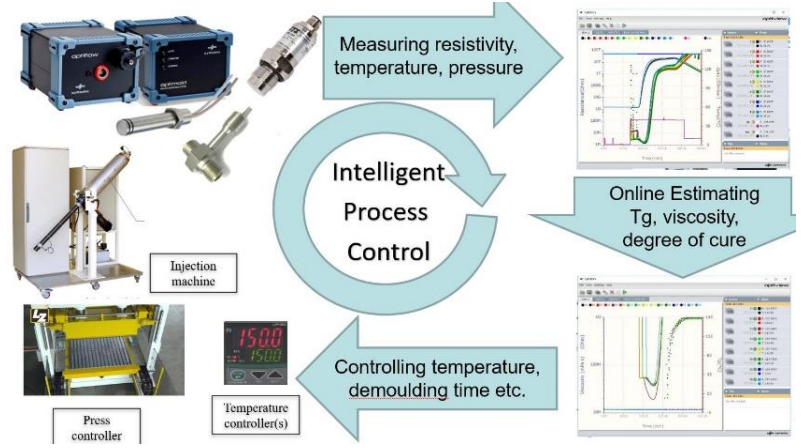
METAMORPHA addresses this challenge by proposing a technology that enables a green and digital approach to these challenges. To this end, it seeks to replace mechanical and chemical processes from production lines with a single, fully digital green process based on ultra-short pulse laser micromachining. Specifically, the technology developed is moving towards “right first time” processes with 30% less resource consumption compared to state-of-the-art technology.
To achieve this, METAMORPHA will be a technology based on a combination of two cascaded spatial light modulators (SLMs) with an integrated galvo scanner, enabling the most sophisticated digital beam shaping and steering ever developed. It will also feature a phase-based control that enables digital beam steering for agile multi-directional processing. In this project, CVBLAB will develop novel machine learning algorithms that automate the calibration of the laser performance parameters based on the material used, desired pattern, and defects encountered. This methodology will be based on continuous learning systems, capable of adapting the algorithms to new data collected during the use of the system. Finally, METAMORPHA will be tested in three different use cases for the production line of products in leading companies.
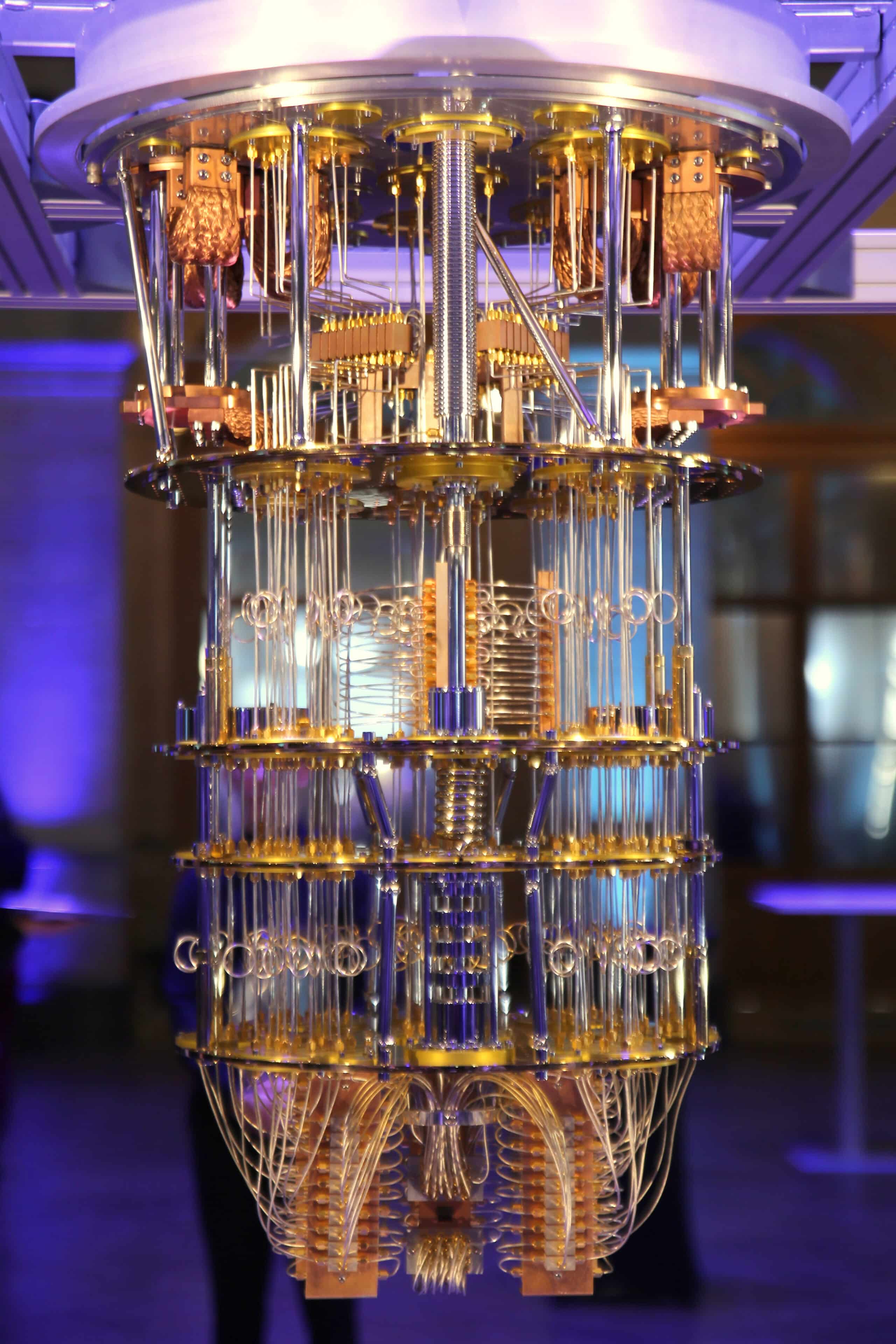
QUANTUM COMPUTATION AND ITS APPLICATION TO STRATEGIC INDUSTRIES
The objective of the project is to progress the state of the art of quantum algorithms and apply this knowledge to a series of proofs of concept in different strategic sectors of the Spanish economy such as: Energy, Financial, Space, Defense and Logistics.
Quantum technologies are set to play a disruptive role in the coming years due to the impact they will have in many areas, most notably in massive computing power and secure encrypted communications, fields in which, according to all forecasts, they will mark a new era.
Part of the current momentum in the areas of quantum applications in industry is due to the “Quantum Manifesto”. The document was presented in 2016 at the Quantum Europe Conference and the interest was such that the European Commission responded with a 10-year project (Flagship) and an investment of more than €1 billion. The programme started in 2018 and fosters collaboration between EU countries. The main objective of the Flagship is to train and support European industry in quantum technologies. Knowing how to define and develop technology to use quantum physics, identifying how this revolution will change the world, or in which use cases it can and cannot be applied, are some of the questions that the Flagship and European industry should be able to answer thanks to this plan.
The CUCO project (Quantum Computing and its application to strategic industries) emerges as the first major Quantum Computing project at national and enterprise level. CUCO is led by GMV, with the participation of start-ups recognised in the quantum field (Multiverse Computing, Qilimanjaro), as well as two of the major Spanish companies with newly created departments formed for the study and application of quantum computing: REPSOL and BBVA. Top-level research centres such as ICFO, CSIC, BSC, Tecnalia, UPV, and DIPC are also participating. The consortium is completed by AMATECH and DAS as leading companies in the logistics and defence/security fields. The knowledge acquired in this project will be used to study whether quantum computing improves the performance of classical computing in a series of proofs of concept in different strategic sectors of the Spanish economy such as: Energy, Finance, Space, Defence and Security: Energy, Finance, Space, Defence and Logistics.
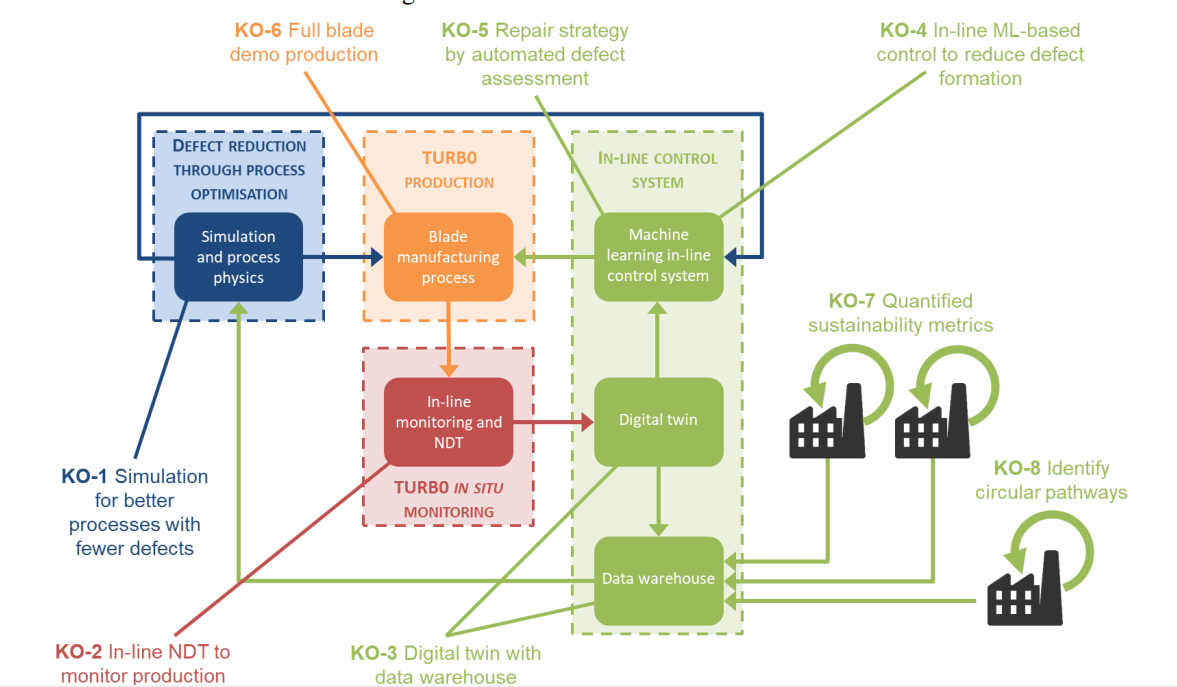
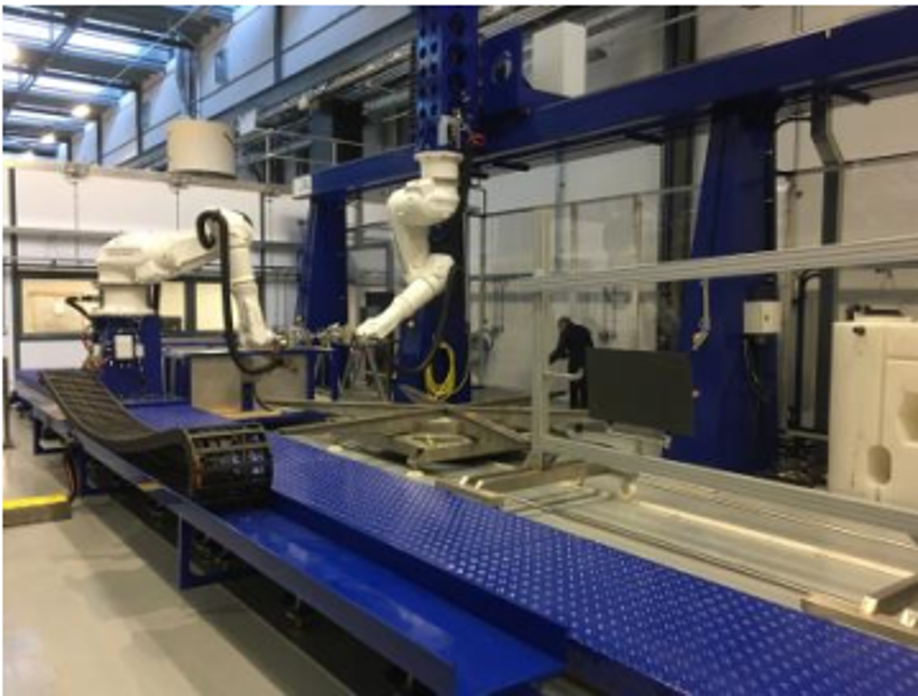
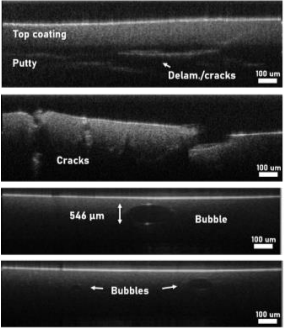
TURBO aims to combine several new developments from different disciplines to greatly improve the sustainability of wind turbine blade (WTB)production by reducing defect formation and improving repair strategies in composites and coatings.
Wind turbines are already part of everyday European life and are an essential part of the strategy to meet the Green Deal targets. Almost 3500 turbines (>10000 blades) were installed in 2019 alone. Wind turbine blade (WTB) size is rapidly increasing with new offshore blades >100 m in length. Yet remarkably, the technologies used to manufacture blades have not changed significantly since the late 1970s. Composite blades are manufactured using resin infusion and coating processes which are prone to defects resulting in high rates of re-work, scrap and repair.
To meet the worldwide demand for sustainable green energy, the wind industry must transform itself to be more resource-efficient. To enable zero-defect and zero-waste manufacturing, the industry needs game-changing, innovative, disruptive and ambitious ideas to produce new manufacturing methods. Recent advances and developments in Industry 4.0 present an opportunity for the wind industry to transform. Enabling data-driven manufacturing decisions to reduce defect formation and improve defect assessment will drive the scrap rate down as well as optimising the manufacturing processes to decrease production waste. TURB0 will bring these developments
together in a coordinated workplan to develop new methodologies towards zero-waste WTB manufacturing. The core of turbo will be the development of machine learning-based algorithms for in-line process control during turbine blade production.
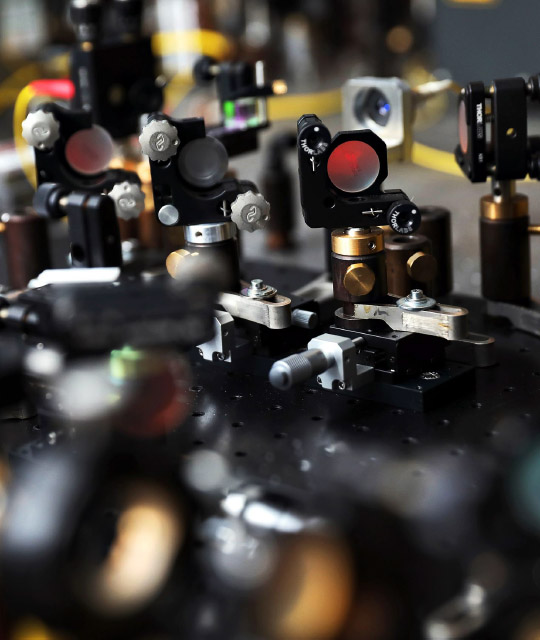
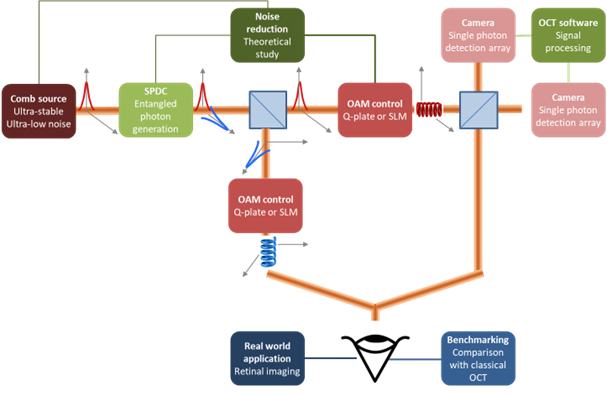
SEQUOIA will deliver the highest resolution OCT system ever built, protected from noise by artificial intelligence (AI) based OAM control in a real-world application: retinal imaging.
Optical coherence tomography (OCT) is a key imaging technology, especially for ophthalmology, allowing non-contact high resolution 3D imaging which has helped to save the sight of millions of people across the world. OCT developed rapidly since its invention in 1991 but has stalled since reaching the practical axial resolution (dz) limit of ~1 µm (>5 µm for most commercial systems). Quantum OCT (QOCT) offers a step change ×2 improvement in dz together with greatly reduced dispersion. In addition, by controlling the orbital angular momentum (OAM) it is possible to protect the system from environmental noise and deliver improved edge definition, surface profile distinction and discrimination of chiral objects. SEQUOIA will deliver the highest resolution OCT system ever built, protected from noise by artificial intelligence (AI) based OAM control in a real-world application: retinal imaging.
AI-based algorithms from CVBLab will be used at TUD to program spatial light modulators (SLMs) to encode high purity high-dimensional OAM onto the QOCT beams to increase noise resilience and improve imaging quality.
Retinal imaging, a vital real-world application (using stable test standards from WWU) will be performed, with automated AI-algorithms (CVBLab) to analyse the images and compare performance with classical OCT.